
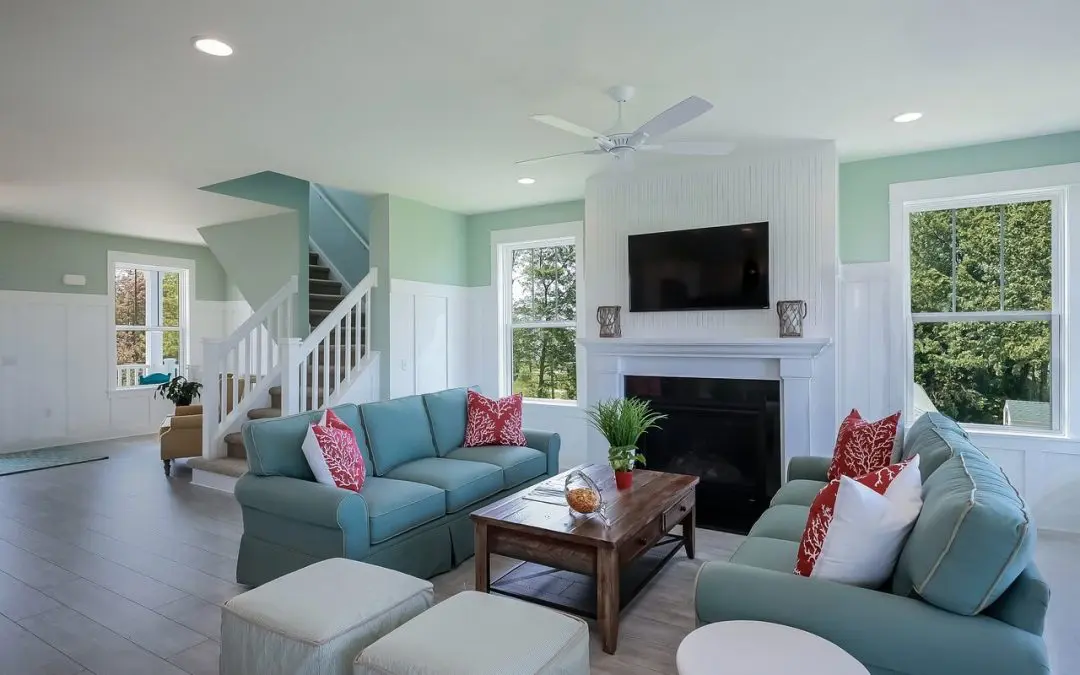
Creating comfortable living spaces is about more than décor or square footage. A truly comfortable home supports daily routines, adapts to changing needs, and feels welcoming the moment someone walks through the door. For homeowners, comfort comes from a balance of temperature control, lighting, layout, and thoughtful design choices that work together seamlessly. When these elements align, comfortable living spaces enhance both quality of life and long-term home value.
What Makes a Home Feel Truly Comfortable
Comfort in a home is shaped by how well the space responds to everyday living. Rooms should neither feel cramped nor overly spacious, with layouts that encourage natural movement and ease of use. A comfortable home prioritizes usability while still allowing for personal style. When spaces feel intuitive and functional, daily activities become easier and more enjoyable.
Comfortable Living Spaces and Temperature Balance
One of the most crucial factors in creating comfortable living spaces is maintaining a consistent indoor temperature. Uneven heating and cooling will make even the most well-designed rooms feel uninviting. Proper insulation, sealed windows and doors, and efficient HVAC systems help regulate temperature throughout the home. When rooms remain consistently comfortable, homeowners are more likely to use and enjoy every area of the house.
Lighting That Supports Everyday Comfort
Lighting plays a major role in how welcoming a space feels. Natural light helps rooms feel open and energizing, while softer lighting creates warmth and relaxation during the evening hours. A thoughtful mix of ambient, task, and accent lighting allows each room to serve multiple purposes. Proper lighting improves mood, enhances visibility, and supports comfortable use of living spaces throughout the day.
Layout and Flow Throughout the Home
The way rooms connect influences how comfortable a home feels. Clear pathways, logical transitions, and uncluttered layouts support easy movement from one space to another. Furniture placement should encourage conversation and relaxation without blocking walkways or creating congestion. Homes with good flow feel more spacious, functional, and inviting.
Indoor Air Quality and Overall Comfort
Indoor air quality is an often-overlooked element of comfort. Clean, well-circulated air contributes to a healthier and more pleasant environment. Proper ventilation, routine HVAC maintenance, and balanced humidity levels all play crucial roles in creating comfortable living spaces. Homes with good air quality tend to feel fresher, reduce allergens, and maintain consistent comfort throughout the year.
Materials That Enhance Comfortable Living Spaces
The materials used throughout a home can significantly impact its overall ambiance. Flooring that provides warmth, furnishings that offer proper support, and finishes that are easy to maintain all contribute to a comfortable environment. Comfortable living spaces strike a balance between durability and softness, creating rooms that feel inviting while withstanding daily use. Thoughtful material choices help homes remain functional and comfortable over time.
Personalization That Supports Daily Living
Comfort is highly personal, and homes feel best when they reflect the needs of those living in them. Flexible furniture arrangements, adequate storage, and multipurpose rooms allow spaces to adapt to changing routines. Comfortable living spaces evolve alongside homeowners, supporting quiet moments, busy mornings, and social gatherings with equal ease.
The Long-Term Benefits of Comfortable Living Spaces
Investing in comfort offers lasting rewards. Homes designed for comfort often experience improved energy efficiency, reduced wear on systems, and a stronger appeal to future buyers. Comfortable living spaces encourage better use of the home, making it easier to maintain and enjoy over the years. These improvements benefit both daily life and long-term property value.
Creating comfortable living spaces is about aligning function, environment, and personal needs. When temperature, lighting, layout, air quality, and materials work together, a home becomes more than just a place to live. It becomes a space that supports comfort, relaxation, and everyday enjoyment for years to come.
Frequently Asked Questions (FAQs)
What is the most important factor in home comfort?
Consistent temperature control is one of the most critical factors, as uneven heating or cooling quickly affects how livable a space feels.
Can older homes become more comfortable?
Yes. Improvements such as insulation upgrades, air sealing, improved lighting, and layout adjustments can significantly enhance comfort in older homes.
How does lighting affect comfort?
Lighting influences mood, visibility, and functionality. Well-planned lighting makes spaces feel warmer, more inviting, and easier to use.
Does furniture placement really matter?
Yes. Thoughtful furniture placement improves flow, accessibility, and usability, all of which contribute to a more comfortable home.
Do comfortable living spaces increase home value?
Homes designed with comfort in mind are often more appealing to buyers, as they suggest efficiency, usability, and thoughtful upkeep.
Precision Home Inspectors proudly serves property buyers and property owners throughout Eastern Virginia. Schedule your home inspection with Precision Home Inspectors today!