
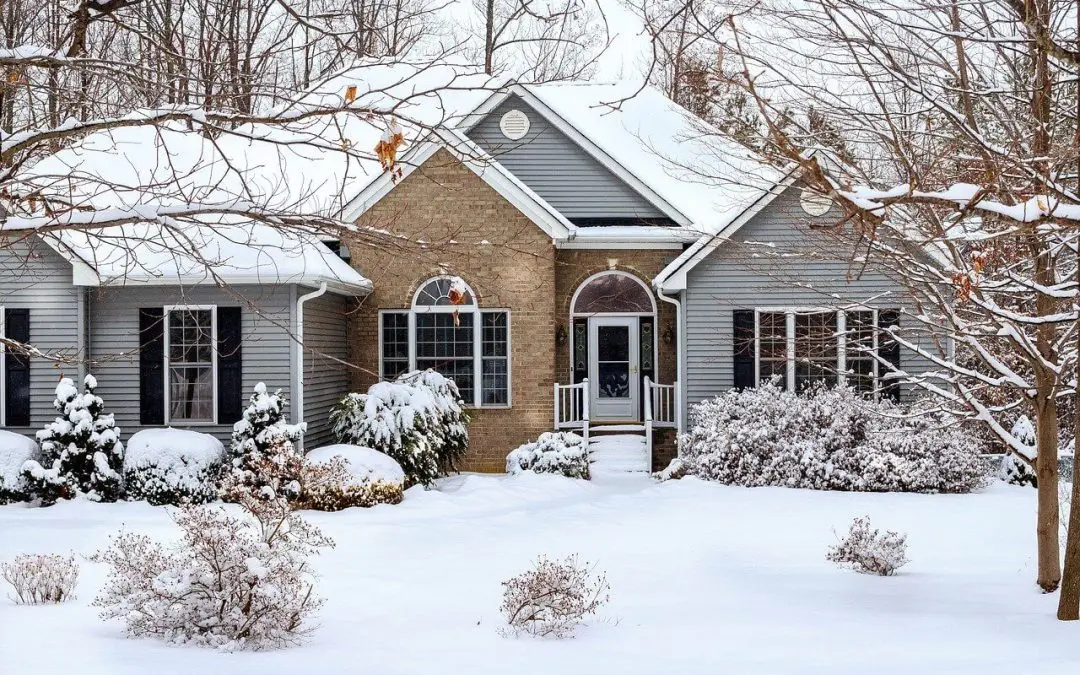
As the colder months settle in, homeowners begin preparing for shorter days, freezing temperatures, and the potential hazards that come with them. Prioritizing winter safety will help protect your property and loved ones from unexpected seasonal issues. With thoughtful planning and a solid understanding of common cold-weather risks, you will enjoy the season with peace of mind instead of stress.
Winter Safety 101: Preparing Your Home’s Exterior
Before harsh weather arrives, the outside of your home becomes the first line of defense. Winter safety begins with ensuring your exterior is prepared to withstand freezing temperatures and heavy precipitation. Checking your roof for missing shingles, damaged flashing, or clogged gutters will help guarantee that melting snow and ice drain properly. When gutters are blocked, water will freeze and expand, leading to ice dams that force moisture under the roofing materials. This could cause leaks and water damage, both of which are expensive and avoidable. Walkways, driveways, and steps should also be inspected before storms. Cracks, uneven surfaces, or areas prone to pooling water may turn into slippery hazards once temperatures drop below freezing. Making minor repairs now supports overall winter safety throughout the season. Trimming branches that hang near your home reduces the risk of fallen limbs due to heavy snow or ice, helping protect your roof and windows from damage.
Heating Your Home Safely
Maintaining a warm and comfortable home requires a heating system that operates safely and efficiently. Scheduling a professional inspection for your furnace or heat pump before winter begins ensures the system can handle constant use. Filters should be replaced regularly to promote clean airflow, and vents must remain unobstructed. A well-maintained heating system keeps you warm and plays a crucial role in winter safety by lowering the chance of carbon monoxide buildup. Fireplaces and wood-burning stoves add charm during the colder months, but they must be properly maintained. Having your chimney cleaned removes creosote, a flammable buildup that causes chimney fires. Checking the damper is functioning properly and the firebox for cracks or loose bricks are important safety steps. These small seasonal checks go a long way toward supporting indoor winter safety.
Winter Safety in the Event of Power Loss
Winter storms could bring down power lines, leaving homeowners without electricity during the coldest days of the year. Preparing a plan ahead of time helps guarantee your comfort and security. Backup heating sources such as generators or portable heaters should be used carefully and according to manufacturer instructions. Generators must always be placed outside due to the risk of carbon monoxide poisoning. Keeping extra blankets, batteries, and non-perishable food stored in an accessible area will make the situation more manageable. Winter safety also includes knowing how to protect your plumbing during outages. Without heat, pipes freeze quickly, especially those in basements, crawlspaces, or exterior walls. Opening cabinet doors below sinks allows warm indoor air to circulate, and letting faucets drip slightly will relieve pressure in the pipes. If pipes do freeze, turning off the water supply before attempting to thaw them could help prevent bursts.
Creating a Safe and Comfortable Living Environment
During the winter months, it’s easy for indoor air to become dry and stagnant, which affects overall comfort and health. Using a humidifier helps maintain balanced moisture levels and reduces static electricity. It also supports your home’s materials, as extremely dry air may cause wood floors or furniture to crack. Checking smoke and carbon monoxide detectors regularly, especially during months when your heating system is in use the most, ensures everyone in the home is protected. Entryways often collect melted snow, mud, and ice, increasing the risk of slips and falls. Placing absorbent mats near all doors and keeping them clean and dry prevents water from spreading across floors. Keeping walkways well-lit makes it easier to spot icy patches or uneven surfaces outdoors, further strengthening your winter safety efforts.
Protecting Your Family and Home with Winter Safety Habits
Adopting good habits throughout the winter season is one of the most effective ways to maintain a safe home. Clearing snow and ice promptly from driveways and sidewalks reduces hazards for both residents and visitors. Having emergency supplies like first-aid kits, flashlights, and charged phones readily available helps you stay prepared for the unexpected.
Frequently Asked Questions (FAQs)
How often should I have my heating system inspected?
Once a year is recommended, ideally before the start of the cold season.
What’s the best way to prevent frozen pipes?
Keeping your home warm, opening cabinet doors under sinks, and allowing faucets to drip during extremely cold temperatures will help.
How do I improve winter safety around my property?
Regularly clear snow, address icy areas, repair uneven surfaces, and maintain exterior lighting to ensure it is bright and consistent.
Do I need to have my chimney cleaned every year?
Yes. Annual cleanings help reduce fire risks, keeping your home and family safe.
What should I include in a winter emergency kit?
Water, blankets, flashlights, batteries, non-perishable food, and medications are useful during outages or severe storms.
Precision Home Inspectors proudly serves property buyers and property owners throughout Eastern Virginia. Schedule your home inspection with Precision Home Inspectors today!